
Blog
How to Import Pistachios from Iran: Regulations and Steps
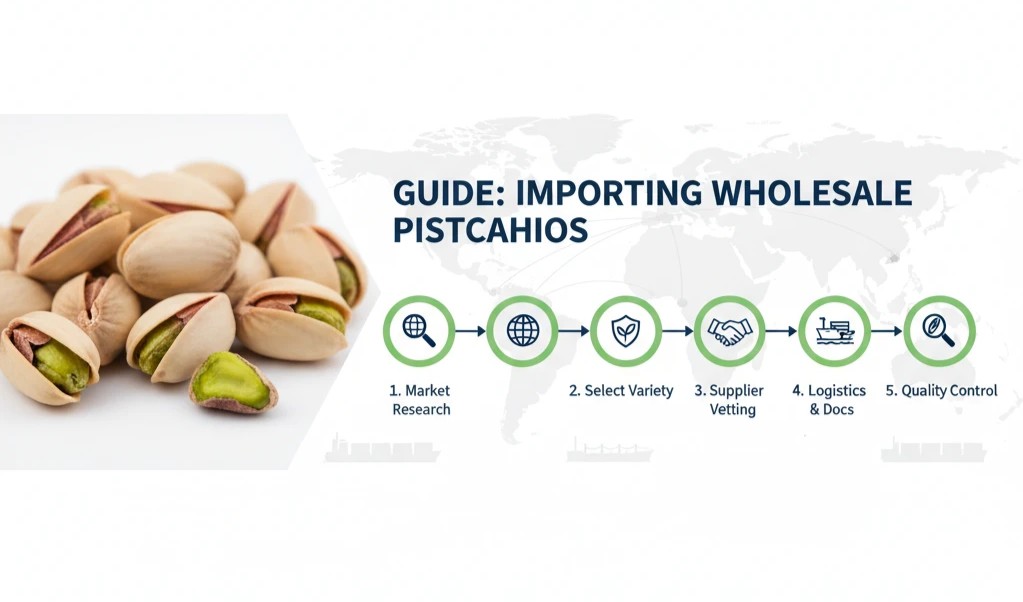
Importing wholesale pistachios from Iran requires careful planning and a clear understanding of international trade regulations. For B2B buyers, food importers, and distributors, establishing a reliable supply chain for premium pistachios can be highly profitable. However, navigating customs, quality control, and shipping documentation requires professional execution.
This guide outlines the essential steps for how to import pistachios from Iran and all the regulations, helping you manage risks and build long-term commercial relationships.
Why Import Pistachios from Iran?
Iran is one of the world’s leading pistachio producers, offering varieties known for their distinct taste, high oil content, and suitability for roasting. Commercial buyers choose Complete Guide to Iranian Pistachio Types, Processing & Global Export because of the diverse grades available, ranging from large, luxurious nuts for premium retail to cost-effective kernels for the food manufacturing industry.
Step-by-Step Process for Importing Wholesale Pistachios

1. Define Your Market Requirements
Before placing an order, understand your local market’s demands. Different countries have distinct preferences for size, shape, and flavor profile.
2. Choose the Right Pistachio Type, Grade, and Packaging
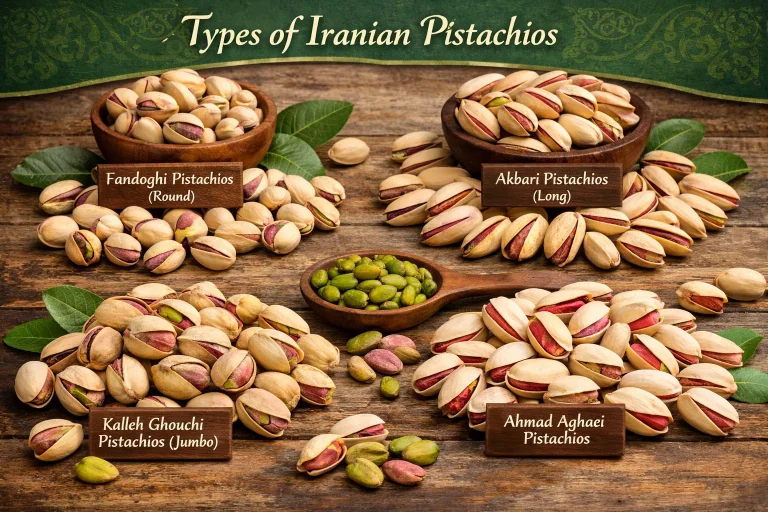
Selecting the appropriate product is critical for your commercial success. The Iranian market offers several prominent varieties:
- Fandoghi: A popular, cost-effective round pistachio. (Iranian Round (Fandoghi) Pistachio: The Complete Guide)
- Akbari & Ahmad Aghaei: Premium long pistachios favored in luxury markets. (Akbari Vs. Ahmad Aghaei Pistachio: Full comparison)
- Kalleh Ghouchi: A large, jumbo variety with excellent flavor. (Iranian Jumbo Pistachio (Kalleh Ghouchi): Complete Guide to Size, Quality, Grades & Export Market)
You must also decide between in-shell nuts, raw or roasted, and Iranian Pistachio Kernel: The Complete Guide. Finally, determine your packaging needs, such as bulk cartons, vacuum packs, or jumbo bags.
3. Verify Supplier Credentials and Product Documentation
Partnering with a reputable exporter is vital. A verified supplier will provide transparent documentation, consistent quality, and professional communication. Request samples and verify their export history. If you are building a retail brand, inquire about services like Pinut Private Labeling: Build Your Own Brand.
Understand Destination-Country Food Safety and Customs Requirements
Regulations for importing agricultural products vary significantly by country. It is your responsibility to verify current requirements with your local customs broker and food-safety authority.
- European Union (EU): Extremely strict regulations regarding aflatoxin levels. Importers must ensure shipments pass rigorous testing and carry a health certificate.
- Middle East & Asia: Generally standard phytosanitary and customs requirements, but specific labeling or halal certifications may apply.
- United States: Importers face complex regulations, high tariffs, and strict FDA guidelines regarding Iranian agricultural products. Consult specialized trade counsel before attempting import.
Disclaimer: Always confirm current import tariffs, sanctions, and restrictions with your local authorities before finalizing any commercial agreements.
Required Commercial and Shipping Documents
To clear customs successfully, your supplier must provide accurate documentation. Missing documents can cause severe delays and port fees.
Essential Import Checklist:
- Commercial Invoice: Details the transaction value, buyer, and seller.
- Packing List: Specifies the weight, packaging type, and quantity.
- Bill of Lading (B/L) or Airway Bill: The official shipping document and receipt.
- Certificate of Origin: Proves the pistachios were grown and processed in Iran.
- Phytosanitary Certificate: Issued by Iranian agricultural authorities confirming the shipment is free from pests.
- Health/Aflatoxin Certificate: Often required, proving the pistachios meet the destination market’s food safety standards.
Arrange Shipping, Incoterms, Insurance, and Customs Clearance
Determine the Incoterms (e.g., FOB, CIF, EXW) with your supplier early in the negotiation. This dictates who pays for shipping, insurance, and at what point the risk transfers to you.
Pistachios are typically shipped via sea freight in standard or refrigerated containers, depending on the transit time and climate. Always secure comprehensive cargo insurance. Hire a licensed customs broker in your destination country to handle the clearance process efficiently.
Food Safety, Aflatoxin Testing, and Quality-Control Considerations
Quality control is paramount when importing nuts. Aflatoxin, a naturally occurring mold, is the primary concern for international health authorities. Reputable Iranian suppliers utilize advanced sorting machinery to minimize this risk. Ensure your contract specifies the maximum allowable aflatoxin limits required by your country, and request independent laboratory testing before shipment.
Common Importing Mistakes and How to Avoid Them
- Ignoring Import Regulations: Failing to verify local food safety laws leads to rejected shipments.
- Poor Supplier Vetting: Buying based solely on the lowest price often results in inferior quality.
- Incomplete Documentation: Missing certificates will halt your shipment at customs.
- Inadequate Packaging: Using incorrect packaging for sea freight can cause moisture damage.
How to Request a Wholesale Quote or Sample
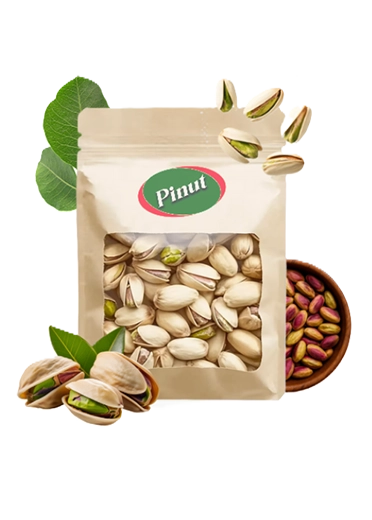
When contacting a supplier, provide precise details to receive an accurate quote. Specify the exact pistachio variety, grade, desired quantity (MOQ), preferred packaging, and your destination port.
Secure Your Wholesale Pistachio Supply
Professional planning and expert documentation are the keys to a successful import strategy. Whether you require premium in-shell pistachios or bulk kernels for manufacturing, establishing a relationship with a verified supplier ensures consistent quality and compliance.
Ready to discuss your commercial requirements? Explore our Products and Contact us today for detailed specifications, pricing, and wholesale quotes.
