
Blog
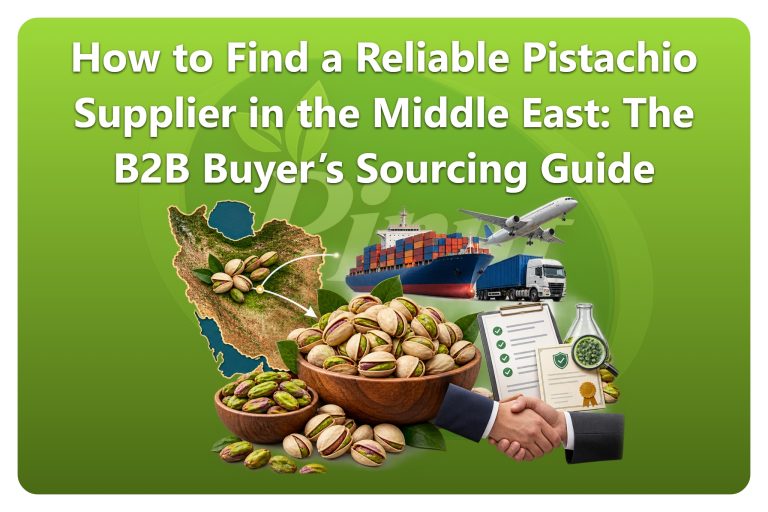
How to Find a Reliable Pistachio Supplier in the Middle East: The B2B Buyer’s Sourcing Guide
Table of Contents
Quick Answer for B2B Importers
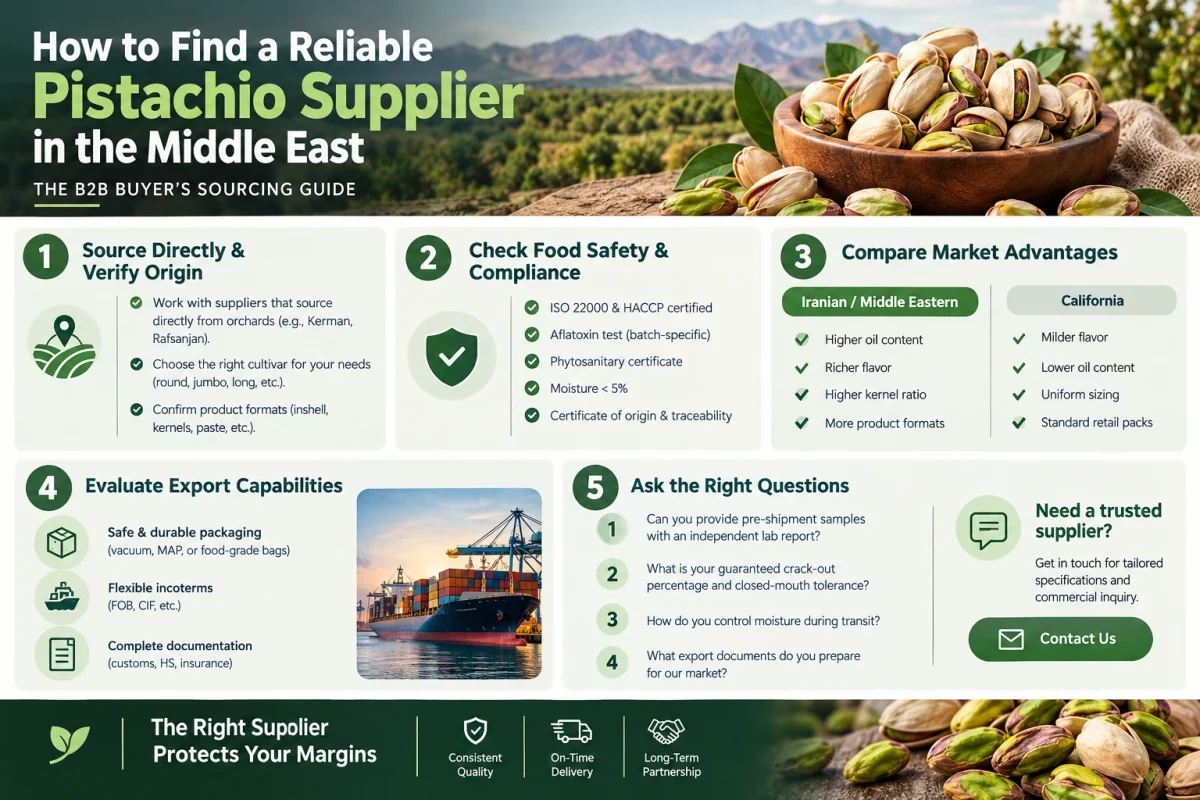
To find a reliable pistachio supplier in the Middle East, prioritize suppliers with direct sourcing in major production hubs (such as Iran), verified food safety credentials (HACCP, ISO 22000, and accredited aflatoxin testing per consignment), transparent calibration by ounce counts, and established export compliance (customs clearance, phytosanitary certification, and standardized B2B shipping terms like FOB or CIF). Avoid brokers who cannot provide origin tracing or batch-specific Certificates of Analysis (COA).
introduction
The Middle East—anchored by Iran’s centuries-old growing regions—remains the global epicenter for premium pistachios renowned for high kernel-to-shell ratios, rich oil content, and distinct flavor profiles. However, for commercial buyers, confectionery manufacturers, and global distributors, bulk procurement carries high operational stakes.
Inconsistent calibration, unverified moisture levels, aflatoxin threshold violations, and supply chain delays can jeopardize profit margins and brand reputation. Finding a trustworthy pistachio export company requires shifting from transactional price shopping to comprehensive supplier qualification.
Below is an actionable, step-by-step framework to evaluate, audit, and partner with a top-tier Iran pistachio supplier.
1. Evaluate Direct Sourcing and Origin Traceability
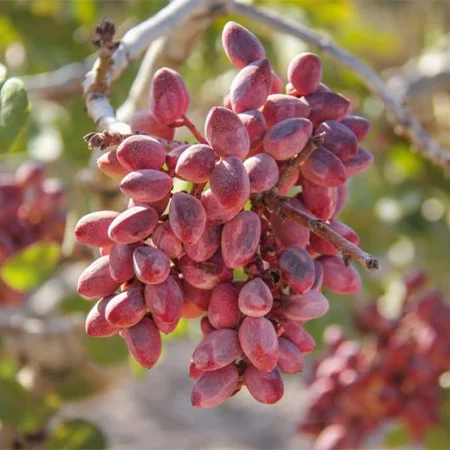
The global nut market features many trading intermediaries and re-exporters. While brokers provide access, direct suppliers offer tighter quality control, flexible customization, and competitive pricing.
- Origin Authenticity: Verify whether the supplier works directly with orchards and processing units in core production basins (e.g., Kerman and Rafsanjan). Authentic origin sourcing ensures you receive freshly harvested crops rather than blended, aged inventories.
- Cultivar Mastery: Different commercial applications demand different cultivars. A proficient supplier should readily guide you across different types of Iran’s pistachios, including:
- Iranian Round (Fandoghi) Pistachio: Cost-efficient, high yield, ideal for roasting, snacking mixes, and confectionery.
- Iranian Jumbo Pistachio (Kalleh Ghouchi): Bold visual appeal and large ounce counts for luxury packaging.
- Iranian Long & Super Long Pistachio: Cultivars like Akbari and Ahmad Aghaei, prized for elegant shell opening and rich taste.
- Kernel & Ingredient Sourcing: If your facility requires processing ingredients rather than inshell nuts, verify whether they supply specialized lines such as raw kernels, split kernels, or bulk pistachio paste for bulk buyers.
2. Audit Laboratory Standards, Food Safety, and Compliance
For international buyers in Europe, the GCC, and Asia, chemical and biological compliance is non-negotiable.
Key Export Compliance Checklist
- ✓ ISO 22000 & HACCP Certified Facility
- ✓ Batch-Specific Aflatoxin Certificate (B1, B2, G1, G2)
- ✓ Official Phytosanitary Certificate
- ✓ Moisture Content Controlled (< 5% to prevent spoilage)
- ✓ Certificate of Origin & Full Traceability Coding
Aflatoxin Control Protocols
Aflatoxin regulation represents the strictest threshold in international nut trade (especially under European Commission standards). A reliable Iranian pistachio exporter must provide third-party, laboratory-verified analysis (HPLC testing) showing parts-per-billion (ppb) levels compliant with your destination country’s sanitary framework.
Processing Hygiene & Sorting Technology
Inquire about sorting mechanics:
- Does the facility utilize laser sorting and X-ray scanners to remove foreign matter, closed nuts, and insect-damaged units?
- Are raw batches processed under active temperature and humidity monitoring?
A reliable partner should be transparent about their processing facilities. You can learn more about operational capabilities on our About Pinut page.
3. Compare Market Advantages: Middle Eastern vs. Global Alternatives
When establishing a B2B contract, evaluate how Middle Eastern origins match your end product. In global trade, purchasing managers frequently evaluate Iranian Pistachio vs California Pistachio.
Pistachio Cultivar Comparison
| Metric | Iranian / Middle Eastern | California |
|---|---|---|
| Oil Content | Higher unsaturated fat content; richer, buttery roast profile. | Moderate oil content; milder flavor. |
| Roasting Temp | Resilient to 160°C+; deeper, more complex aroma. | Typically roasted at lower temperatures. |
| Kernel Ratio | Exceptionally high crack-out ratio (e.g., Akbari, Fandoghi). | Uniform sizing; consistent, lighter shell appearance. |
| Versatility | Wide range: raw, inshell, peeled, diced, and paste. | Mostly uniform, salted, or standard snack packs. |
A qualified supplier helps you determine which cultivar optimizes your margins and culinary performance.
4. Review Export Capabilities, Logistics, and Packaging
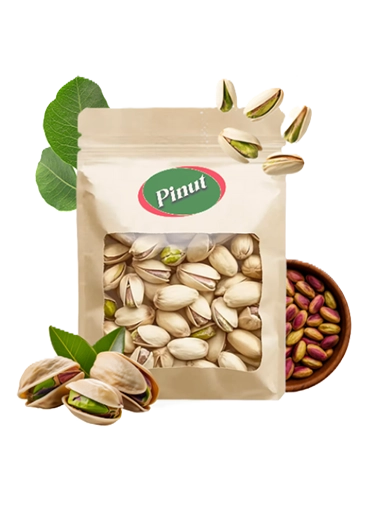
Finding a supplier is only half the battle; ensuring intact, timely arrival at your destination port completes the equation.
- Packaging Integrity: Bulk shipments require vacuum-sealed packaging, modified atmosphere packaging (MAP), or heavy-duty food-grade bags inside corrugated master cartons (standard 10 kg, 12.5 kg, or 25 kg) to prevent rancidity and pest exposure.
- Value-Added B2B Solutions: If you are an FMCG importer or retail brand distributor, check whether the company offers customized branding and packaging via Pinut Private Labeling.
- Incoterms Flexibility: Dependable suppliers comfortably quote standard commercial terms (FOB Bandar Abbas, CIF Jebel Ali, Mersin, European ports, or Asian hubs) and assist with freight documentation, customs HS classification, and marine insurance.
- Comprehensive Portfolio: Review the exporter’s broader catalog via their complete products catalog to ensure long-term scalability across inshell lines, Iranian pistachio kernel grades, and paste.
5. Essential Questions to Ask Before Placing a Purchase Order (PO)
Before finalizing contracts or issuing letters of credit / swift advances, run this commercial qualification audit:
- “Can you issue pre-shipment sample lots matched to an independent SGS or accredited lab test report?”
- “What is your guaranteed crack-out percentage and closed-mouth tolerance rate per metric ton?”
- “Which moisture control measures are taken inside containers during maritime transit through warm corridors?”
- “What export documentation do you routinely prepare for customs clearance in our specific market (e.g., GCC, EU, UK, East Asia)?”
For tailored commercial inquiries, supply specifications, or harvest allocations, contact our trade desk directly via our Contact us portal.
Conclusion: Secure Your Wholesale Supply Chain
A reliable supplier in the Middle East is more than a vendor—they serve as an operational safeguard for your margins and product consistency. By vetting origin access, demanding rigorous food-safety certifications, and ensuring transparent contract execution, you can establish an enduring, high-return procurement pipeline.
Explore the complete export infrastructure and bespoke contract options available through Pinut, your direct partner for wholesale Iranian pistachios.
Frequently Asked Questions (B2B Sourcing & Export)
Standard B2B export documentation includes:
- Commercial Invoice & Packing List: Detailing net/gross weights, batch numbers, and HS codes (e.g., 0802.51 for inshell, 0802.52 for shelled kernels).
- Certificate of Origin: Issued by the local Chamber of Commerce verifying cultivation origin.
- Phytosanitary Certificate: Certifying plant health and pest-free cargo.
- Certificate of Analysis (COA): Detailed laboratory testing for moisture level, kernel purity, physical defects, and Aflatoxin thresholds (B1, B2, G1, G2 via HPLC).
- Bill of Lading (B/L) / Sea Waybill: Proving handover to shipping lines under agreed Incoterms (FOB, CIF, CFR).
Standard commercial export MOQs depend on packaging and delivery method:
- FCL (Full Container Load): Standard 20ft containers hold approximately 12 to 15 metric tons, while 40ft containers hold up to 22–25 metric tons.
- LCL (Less than Container Load) & Air Freight: For premium kernel grades, green peeled kernels, or initial trial consignments, MOQs typically start at 500 kg to 1 metric ton.
- Inshell Pistachios: Typically packed in multi-ply food-grade polypropylene (PP) or jute bags of 25 kg or 50 kg, or in corrugated cartons for premium distribution.
- Pistachio Kernels: Commonly packed in 10 kg or 12.5 kg vacuum bags within heavy-duty master cartons to inhibit oxidation and preserve natural green pigmentation.
- Private Label Packaging: Available as nitrogen-flushed stand-up pouches, pillow bags, or retail cartons upon request.
- Incoterms: FOB (Bandar Abbas / Jebel Ali), CFR, and CIF (European, GCC, or Asian destination ports) are industry standards.
- Payment Terms: Standard B2B international contracts typically operate on Irrevocable Letters of Credit (L/C at sight) or Telegraphic Transfer (30% Advance Deposit with the remaining 70% balance against copy of shipping documents and clean B/L).
