

Blog

Pistachios and Diabetes: Blood Sugar Impact Explained
Pistachios and Diabetes: Blood Sugar Impact Explained
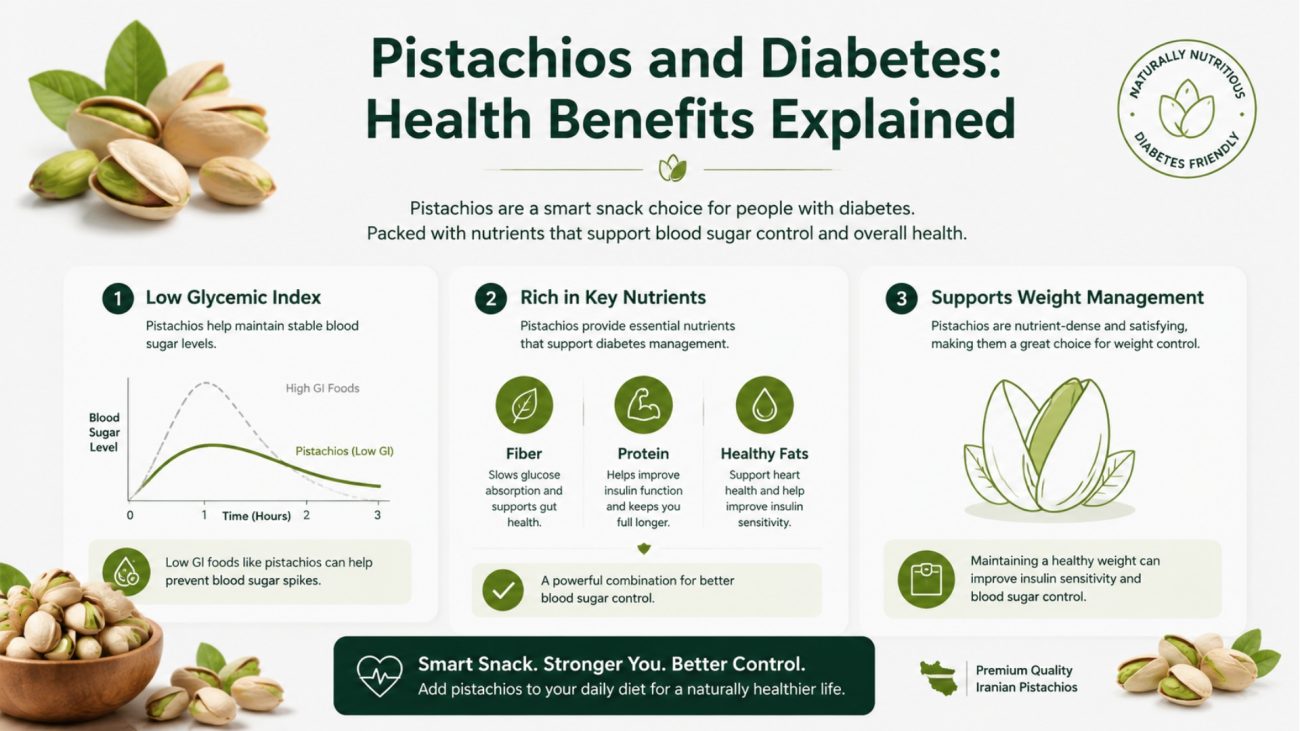
Managing diabetes or prediabetes often revolves around one crucial goal: keeping blood sugar levels stable. For those navigating a diabetic-friendly diet, finding snacks that are both delicious and nutritious can be a challenge. Enter the pistachio. Not only is it a flavorful tree nut, but scientific studies increasingly highlight its positive role in metabolic health.
In this article, we will explore the relationship between pistachios and diabetes, and why choosing a premium Pinut pistachio can be a game-changer for your daily nutrition.
How Pistachios Affect Blood Sugar Levels
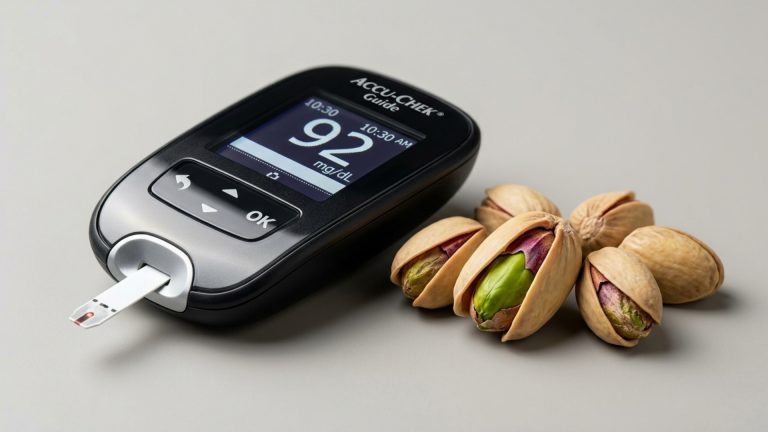
Pistachios are uniquely suited for blood sugar management due to their specific macronutrient profile. They have a very low Glycemic Index (GI), meaning they do not cause a rapid spike in blood glucose after consumption.
Here is why they are highly recommended for diabetic diets:
- Rich in Dietary Fiber: Fiber slows down the absorption of carbohydrates in the digestive tract, leading to a gradual release of glucose into the bloodstream.
- Healthy Fats and Protein: The combination of plant-based protein and monounsaturated fats helps promote satiety and stabilizes insulin spikes.
- Antioxidant Properties: Pistachios are packed with lutein, zeaxanthin, and anthocyanins, which help reduce inflammation—a common underlying factor in insulin resistance.
To dive deeper into the overall wellness advantages of this incredible nut, explore our comprehensive guide on the health benefits of pistachios.

The Nutritional Powerhouse: Why Iranian Pistachio?
When discussing quality and nutritional density, the Iranian pistachio stands out globally. Thanks to the unique climate and soil conditions in Iran, these pistachios boast a higher unsaturated oil content, which not only enhances their rich, earthy flavor but also improves their roasting capacity and nutritional retention.
Whether you are snacking on them raw or roasted, integrating Iran’s Pistachio into your diet provides a natural, whole-food source of essential vitamins (like B6) and minerals (like potassium and magnesium) that are vital for metabolic health. For a comprehensive look at the cultivation and processing of these nuts, you can read our Complete Guide to Iranian Pistachio.
Weight Management and Diabetes Control
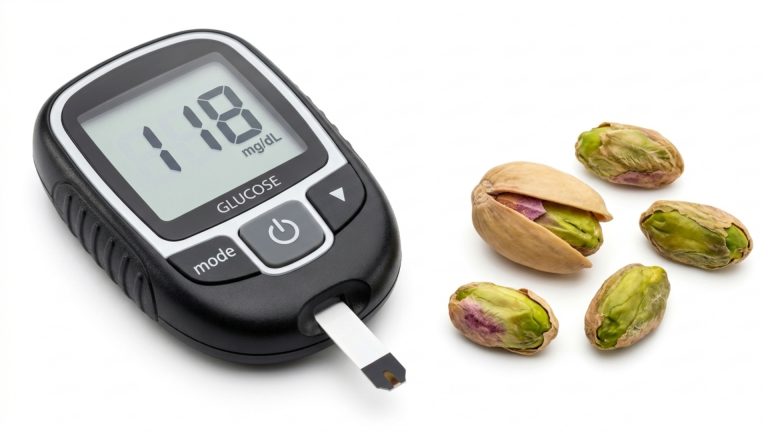
Obesity and Type 2 diabetes are closely linked. Therefore, managing weight is a critical component of managing blood sugar. Fortunately, pistachios are one of the lowest-calorie nuts available. The act of shelling pistachios also promotes mindful eating, giving your brain time to register fullness.
If you are curious about how these nuts fit into a calorie-controlled diet, check out our article: Are Pistachios Good for Weight Loss?
Incorporating Pistachio Kernel into a Diabetic Diet
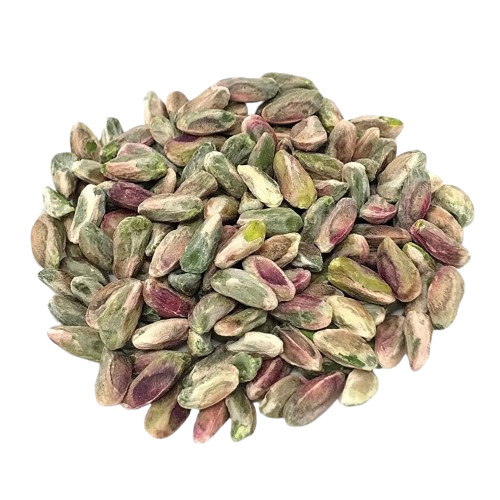
For those who prefer convenience or want to use pistachios in cooking and baking, the pistachio kernel is incredibly versatile. Because they are free from added sugars and unhealthy fats, kernels can be used to add crunch and nutrition to diabetic-friendly meals.
Tips for adding pistachios to your diet:
- Sprinkle chopped kernels over oatmeal or unsweetened Greek yogurt.
- Toss them into leafy green salads for added texture and healthy fats.
- Blend them into a sugar-free crust for healthy desserts.
To learn more about grading, sizing, and culinary applications, read our Iranian Pistachio Kernel: The Complete Guide.
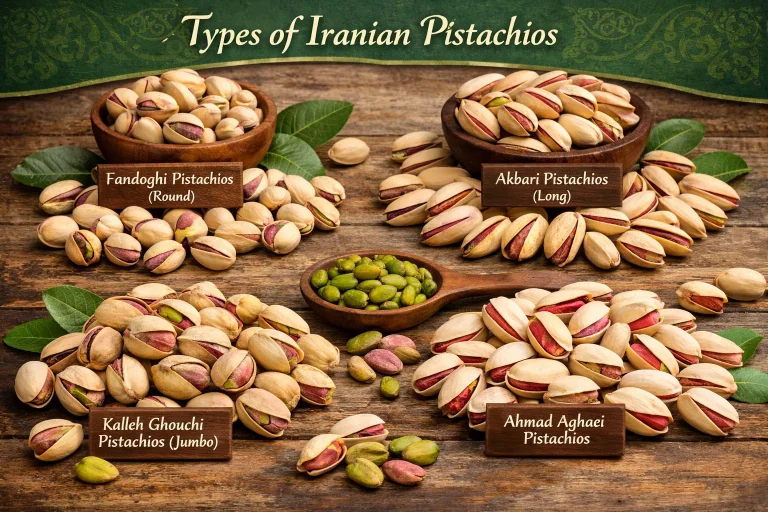
Choosing the Right Type for Your Needs
Not all pistachios look the same, though their nutritional benefits are universally excellent. Depending on your preference for size and shape, you might choose the elongated Akbari, the rich Ahmad Aghaei, or the naturally large Jumbo varieties. Understanding the different types of Iran’s pistachios can help you select the perfect match for your snacking or culinary needs.
Quality Matters: The Role of Pistachio Export
When consuming nuts for health reasons, quality control is paramount. Proper harvesting, processing, and storage ensure that the nuts do not develop aflatoxins or lose their nutritional value.
At Pinut, we take pride in our rigorous quality assurance standards. As a leader in pistachio export, we ensure that our global B2B partners and consumers receive only the highest-grade nuts. From raw materials to final packaging, our supply chain is optimized to preserve the health benefits that make these nuts so valuable for dietary management.
Conclusion
Pistachios are much more than a tasty snack; they are a functional food that can actively assist in managing blood sugar levels and supporting a diabetic-friendly lifestyle. By choosing premium varieties, you are investing in both flavor and health.
Ready to source the finest nuts for your business or personal brand? Browse our premium products or Contact us today to learn how Pinut can meet your wholesale and export needs.
