
Blog
Shelled Pistachios vs. In-Shell Pistachios: A Guide for Buyers
Abstract (The Quick Answer)
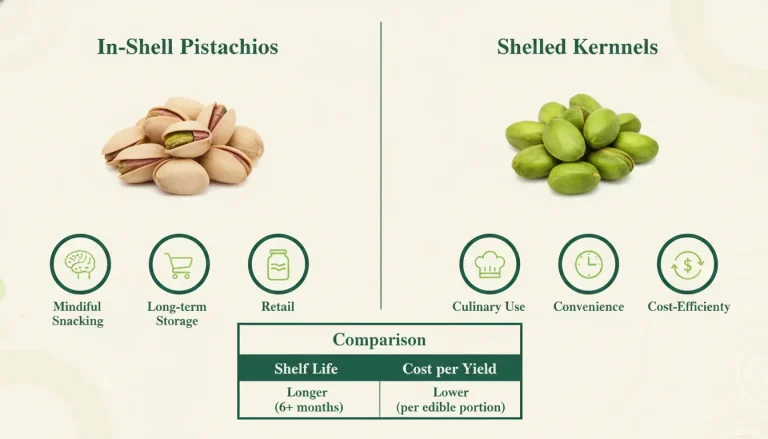
If you are wondering whether to buy shelled pistachios (kernels) or in-shell pistachios, the answer depends on your primary use case:
- In-Shell Pistachios are best for mindful snacking, retail sale, and long-term storage. The shell acts as a natural protective barrier, extending shelf life.
- Shelled Pistachios (Kernels) are ideal for baking, cooking, food manufacturing, and immediate consumption. They offer pure convenience and save immense prep time.
For wholesale buyers and food manufacturers, shelled kernels are often more cost-effective by weight of edible product. For distributors and snack brands, in-shell varieties remain the traditional favorite. At Pinut, we provide premium grades of both to meet your specific demands.
What is the difference?
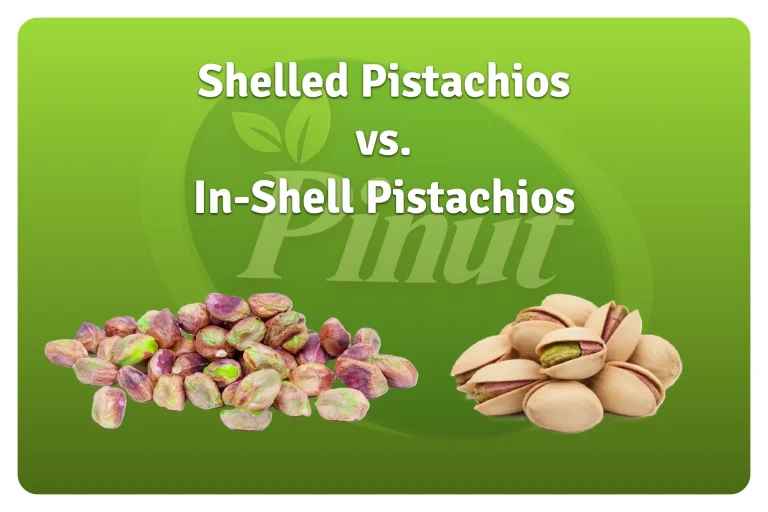
When navigating the world of premium nuts, understanding the exact differences between shelled pistachios and in-shell pistachios is crucial. Whether you are a B2B buyer navigating the Iranian Pistachio export market or a consumer looking for the perfect healthy snack, making the right choice impacts cost, longevity, and application.
Here is a detailed breakdown of both forms, how they compare, and how to choose the right one for your needs.
1. In-Shell Pistachios: The Traditional Standard
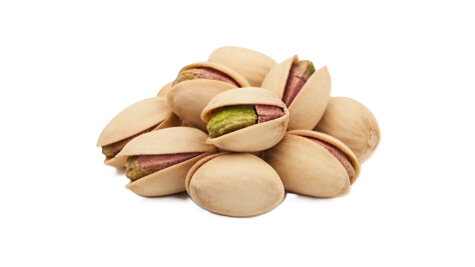
In-shell pistachios are exactly what they sound like: pistachios that remain inside their naturally split, hard outer shells.
Best For:
- Mindful Snacking: The act of cracking open shells slows down consumption, which aligns perfectly with the benefits of pistachios for weight loss.
- Long-Term Storage: The shell protects the delicate nut inside from air, light, and moisture.
- Retail and Gifting: The traditional appearance is highly favored in retail packaging.
Types to Consider:
Iran offers diverse in-shell varieties. For instance, the long and elegant Akbari is perfect for luxury snacking (read our Akbari vs. Ahmad Aghaei comparison), while the round Fandoghi is highly economical. You can explore different types of Iran’s pistachios to find the perfect match for your market.
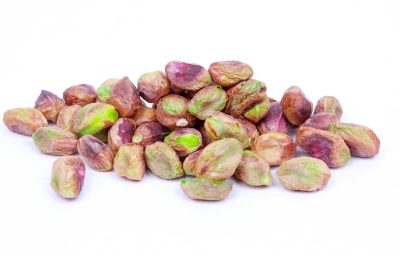
2. Shelled Pistachios: Pure Culinary Convenience
Shelled pistachios, commonly referred to as pistachio kernels, have had their hard outer shells removed.
Best For:
- Food Manufacturing & Culinary Arts: Chefs and bakers rely on kernels to make pesto, ice cream, baklava, and pistachio paste.
- Convenience: For immediate snacking without the mess of leftover shells.
- Shipping Efficiency: Since you are not paying to ship the weight and volume of the shells, kernels can be highly efficient for bulk buyers.
If you are sourcing kernels for a commercial kitchen or manufacturing, our comprehensive guide on the Iranian Pistachio Kernel details the various grades, from whole green kernels to split variations.


3. Core Differences: Which Should You Choose?
A. Shelf Life and Storage
Because the shell acts as nature’s armor, in-shell pistachios generally last longer than shelled ones. Kernels are more exposed to oxygen and light, meaning their natural oils can oxidize faster. Knowing how to tell if pistachios have gone bad is essential, especially for shelled varieties, which should ideally be kept in airtight containers in a cool, dark place.
B. Cost and Yield
At first glance, shelled pistachios are more expensive per kilogram. However, roughly 50% of an in-shell pistachio’s weight is the shell itself. When you calculate the cost based strictly on the edible yield, shelled pistachios are often highly cost-effective for large-scale culinary uses.
C. Raw vs. Roasted Applications
Both shelled and in-shell pistachios are available raw or roasted. If you plan to use the nuts for cooking, raw kernels are preferred so you can control the flavor profile. For direct snacking, roasted and salted in-shell nuts are the global favorite. Learn more about the differences in our raw vs roasted pistachios guide.

Why Source from Pinut?
As a leader in the Iranian Pistachio export industry, Pinut ensures that whether you order in-shell luxury varieties like the Jumbo Pistachio (Kalleh Ghouchi) or vibrant green shelled kernels, you receive unparalleled quality. From bulk supply to private labeling services, we bridge the gap between Iran’s finest orchards and global markets.
Explore our full range of products to find the exact grade and type tailored to your business needs.
Conclusion
Choosing between shelled pistachios and in-shell pistachios comes down to your end goal. If you want a longer shelf life, a mindful snacking experience, and a traditional retail aesthetic, in-shell is the way to go. If you value culinary convenience, lower shipping volumes, and zero waste, shelled pistachios (kernels) are your best investment. Whatever your choice, prioritizing high-quality Iranian pistachios ensures superior taste, healthy fats, and vibrant colors.
